Proudly A Service Disabled Veteran Owned Business

Archive for:

Author Archive for Darin Pirkey

What is the Cheapest Way to Replace a Roof? Practical Tips for Affordable Roofing Solutions

Replacing a roof can be expensive, but there are ways to do it on a tight budget. The cheapest way to replace a roof is often by using affordable materials like asphalt or 3-tab shingles and considering an overlay, which means putting new shingles over the old ones. This method saves money on labor and disposal costs while still giving the roof a fresh surface.
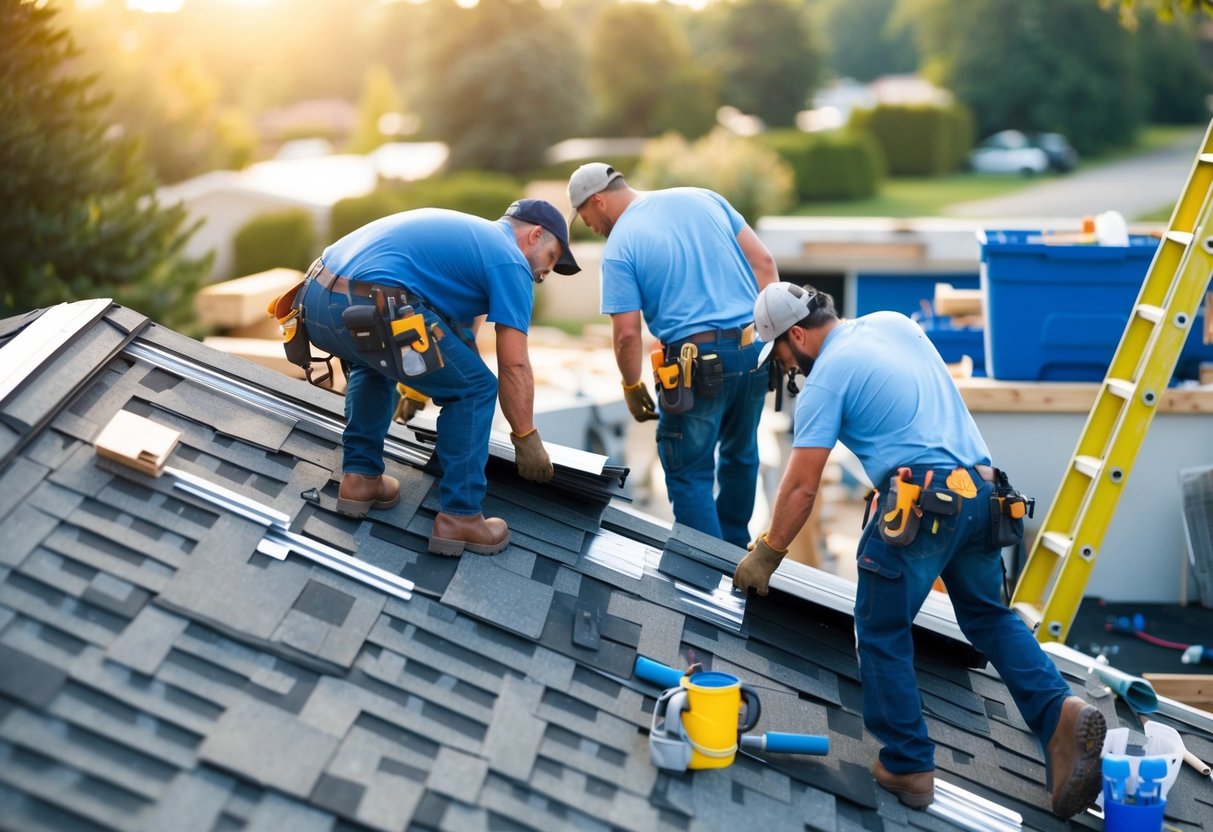
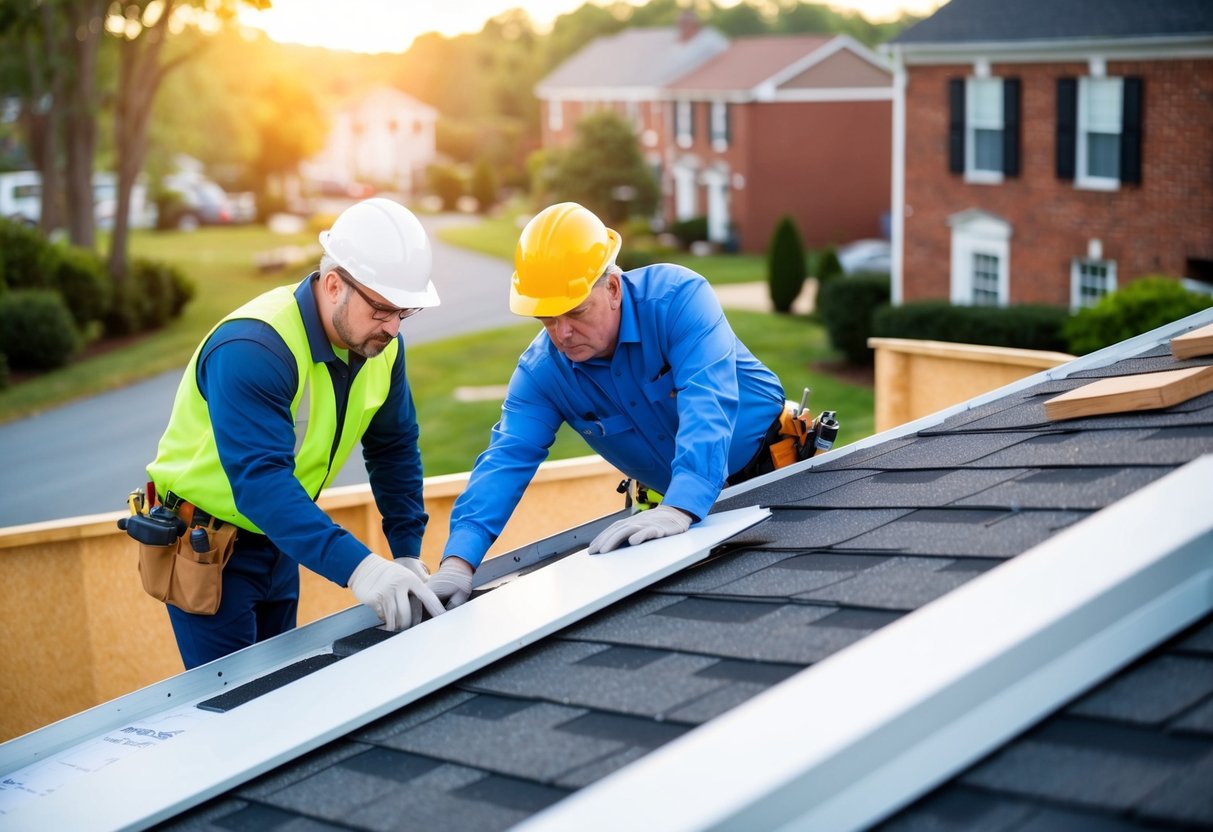
A group of workers installing new shingles on a roof, with a ladder, tools, and materials scattered around the work area

Some homeowners find options like installing solar panels helpful because sometimes companies will replace the roof for free as part of the solar installation. Others might look into filing insurance claims or getting a professional inspection to spot smaller issues that can be fixed without a full roof replacement.

Choosing the right material and method makes a big difference in cost and roof lifespan. Understanding these choices allows homeowners to replace their roof affordably without sacrificing too much on quality or durability.

Key Takeaways

  • Affordable roofing materials help lower replacement costs.
  • Overlaying shingles saves money on labor and cleanup.
  • Getting professional advice can uncover cost-saving options.

Understanding Roof Replacement Costs
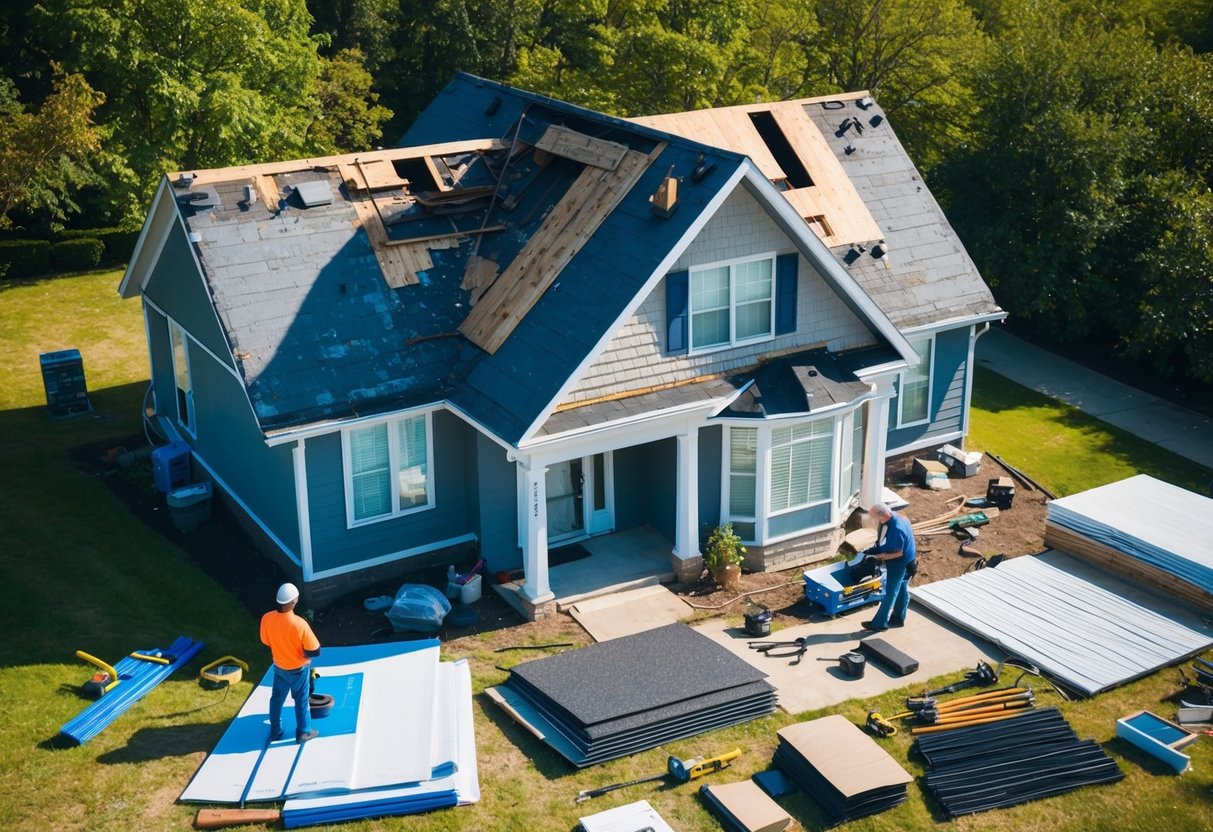
A house with a worn-out roof, surrounded by various roofing materials and tools, with a contractor assessing the cost

Roof replacement costs vary based on many details, including materials, labor, and roof size. Knowing these specifics helps make better decisions and avoid unexpected expenses.

Key Factors That Affect Roof Costs

Several factors determine the total cost of roof replacement. The size of the roof is one of the biggest drivers, as larger roofs need more materials and labor. Material choice also matters—asphalt shingles are usually the cheapest, while metal or copper roofs cost more but last longer.

Labor costs depend on the region and roof complexity. Steeper or multi-level roofs require more time and skill, increasing labor fees. Inspection fees may also apply before work starts, adding to the initial expense. Finally, disposal or tipping fees for old roofing material affect the budget.

Comparing Full and Partial Roof Replacement

Full roof replacement means removing all existing shingles and installing new materials. This option is more expensive but necessary if the roof is old or severely damaged. It also allows better inspection of the underlayment and structure.

Partial roof replacement is cheaper and involves fixing or replacing only a damaged section. This is suitable for small leaks or limited damage but can lead to uneven wear and future costs. It may also affect warranty coverage. Homeowners should weigh short-term savings against long-term durability.

Calculating a Rough Estimate for Your Roof

To get a rough estimate, use a combination of factors: multiply the roof’s square footage by the cost per square foot of selected materials. Add labor costs, which can range widely, and estimate inspection and tipping fees.

For example, if asphalt shingles cost $3-$5 per square foot and the roof is 2,000 square feet, materials alone could be $6,000-$10,000. Labor might add $4,000-$7,000. Inspection and tipping fees usually add a few hundred dollars more.

Online roofing calculators can help with this rough estimate but should include details like roof complexity and local labor rates to be accurate.

Choosing Cost-Effective Roofing Materials

A homeowner comparing prices of different roofing materials at a hardware store

Selecting roofing materials that balance cost, durability, and appearance is key to a budget-friendly roof replacement. Some options offer low upfront costs but may need more maintenance. Others cost more initially but last longer, reducing future expenses. Understanding these trade-offs helps make a smarter choice.

Affordable Shingle Options

Asphalt shingles are the most common and cheapest roofing material. They are easy to install and widely available. Within this category, standard asphalt shingles cost less but last about 15-20 years. Architectural shingles are thicker and more durable, often lasting up to 40 years, though they cost more upfront.

Rolled roofing and basic three-tab asphalt shingles are the least expensive choices for flat or low-slope roofs. Installing architectural shingles can improve curb appeal without a huge price increase. Asphalt shingles offer good protection against weather and are simple to replace if damaged.

Budget-Friendly Metal Roofs

Metal roofs are typically more expensive than asphalt shingles but can be cost-effective over time due to their long lifespan, often 40-70 years. Corrugated metal panels are a budget-friendly option within this category. They are lightweight and easy to install, which reduces labor costs.

Metal roofs reflect heat, potentially lowering cooling costs. They resist cracking and fading better than some other materials. However, costs will rise with premium metals like copper or zinc. Standard metal roofing offers good durability, making it a practical choice for many homeowners willing to invest more upfront.

Evaluating Tile and Slate Materials

Tile and slate roofs are usually the most expensive roofing options. Slate tiles are natural stone, very durable, and can last over 100 years. Clay tiles are a bit cheaper but still costly compared to shingles or metal roofs.

Both tile and slate require strong roof support because they are heavy. They also need skilled labor for installation, adding to the cost. While they provide excellent fire resistance and a distinctive look, they are rarely the cheapest option for replacement.

Material Approximate Lifespan Relative Cost Notes
Asphalt Shingles 15-40 years Low Widely used, easy to replace
Corrugated Metal 40-70 years Medium Lightweight, reflective
Clay Tiles 50-100 years High Heavy, requires strong support
Slate Roof 100+ years Very High Natural stone, very durable

DIY Versus Professional Roof Installation
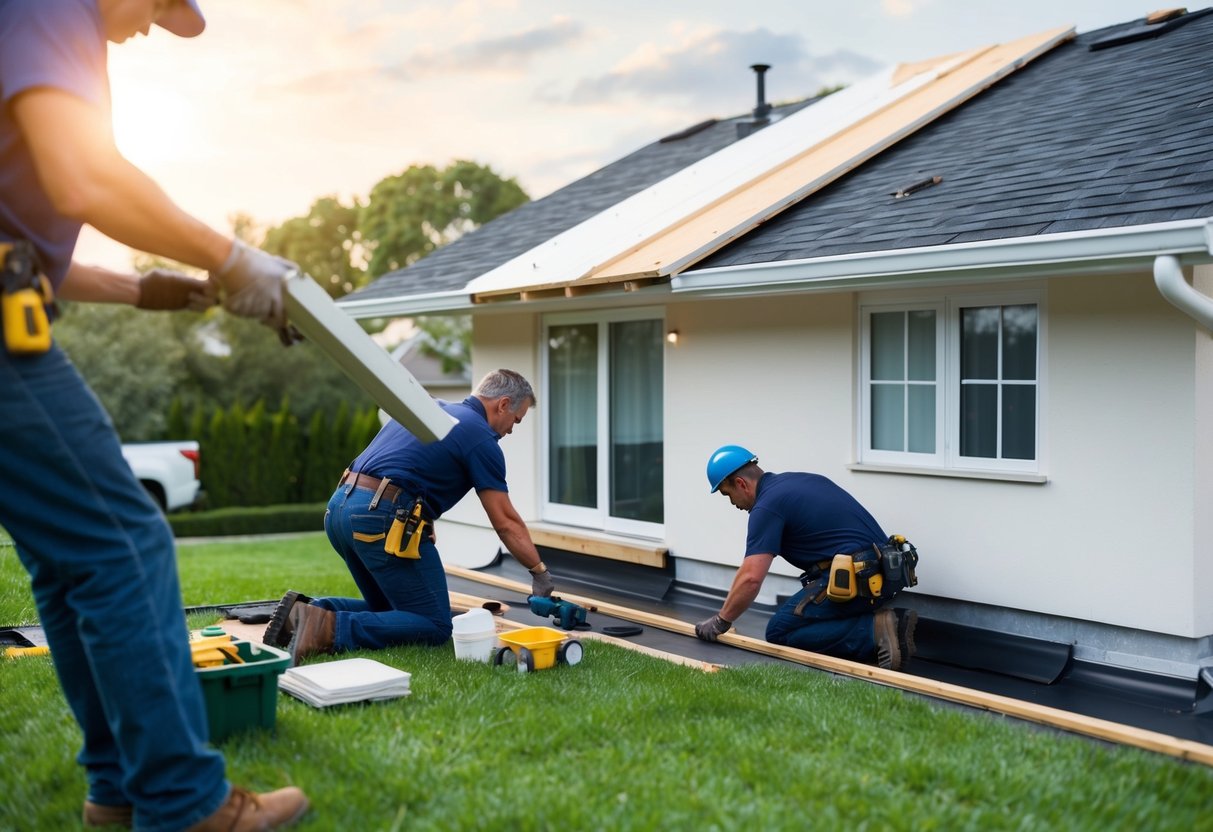
A homeowner attempts to patch a leaky roof with DIY materials while a professional roofing crew installs a new roof next door

Choosing between doing a roof replacement yourself or hiring a professional depends on costs, skills, risks, and control over the project. Both options affect the total expense, timeline, and quality of the roofing installation.

When to Consider DIY Roof Replacement

DIY roof replacement may suit those with some construction experience and access to tools. It can save money by cutting out labor costs, which often make up a large part of the total price. For example, materials like shingles and underlayment might cost around $1,000 to $1,500, but labor can double or triple that.

However, DIY is best for simpler roof designs and small homes. It requires time, physical effort, and safety awareness. Mistakes can lead to leaks or damage, which might cost more to fix later. Roofing installation needs precision, so if someone lacks confidence or experience, DIY might not be the cheapest choice long-term.

Pros and Cons of Hiring Roofing Contractors

Hiring a roofing company removes the physical work and worry about errors. Professional roofing contractors bring expertise, tools, and warranties that protect the home. They typically finish projects faster and can handle complex roof shapes better.

Labor rates for roofing contractors vary but usually add 30% to 50% of the total cost. General contractors might add 10% to 20% more compared to specialists but still offer savings over some professional roofers. The downside is less control and higher upfront costs, but fewer risks of costly mistakes.

Reducing Labor Rates and Costs

Homeowners may reduce costs by comparing quotes from multiple roofing companies. Requesting detailed estimates helps avoid surprise fees. Some ways to lower labor rates include scheduling during off-peak times or bundling the roof work with other home improvement projects.

Hiring a general contractor instead of a specialized roofer can sometimes lower labor rates by combining tasks. Another option is helping with simple tasks like cleanup or material transport to reduce hours billed. Clear communication about budgets and expectations is key to managing costs.

Saving on Roofing Extras and Future Repairs
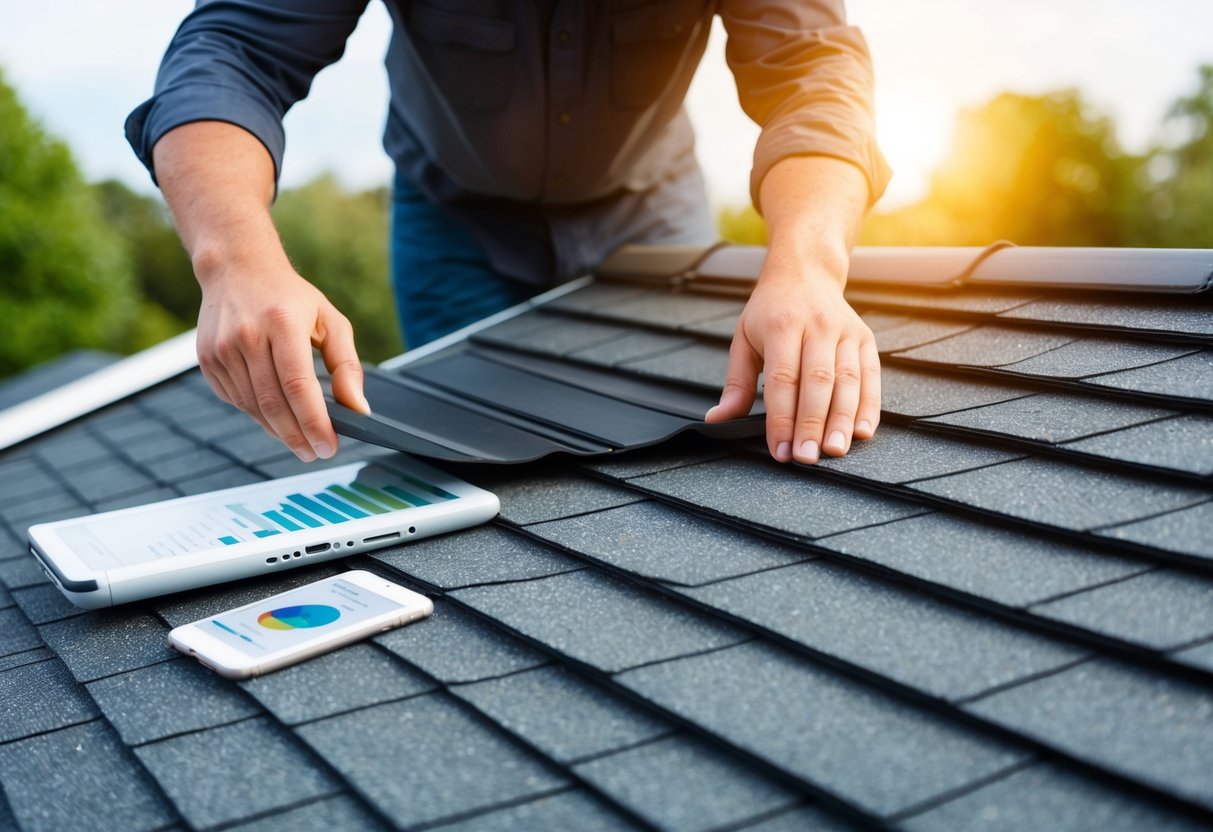
A homeowner carefully compares different roofing materials and their costs, while researching online for DIY roof replacement techniques

Controlling costs means paying attention to the small but critical parts of a roof. Proper handling of gutters, vents, skylights, chimneys, and flashing can reduce the need for expensive future repairs. Planning durable features helps protect the roof over time.

Managing Gutters, Venting, and Skylights

Gutters direct water away from the roof and foundation. Keeping gutters clean and intact lowers water damage risk. Sometimes, it’s cheaper to repair gutters rather than replace them during roof work. Ridge venting is important for airflow, preventing moisture and heat buildup inside the roof that can cause damage.

Skylights add light but can lead to leaks if not installed or sealed properly. Choosing simple, well-sealed skylights reduces repair costs. Avoiding complex shapes and extra flashing around skylights can save money.

Dealing With Chimneys and Flashing

Chimneys need special attention because they often cause leaks if flashing is old or damaged. Flashing is the metal that seals joints between the chimney and roof. Fixing or upgrading flashing during roof replacement is cheaper than fixing leaks later.

If the chimney is in poor shape, only repairing the flashing may not be enough. Inspections should check if the chimney needs repairs first. Proper flashing extends roof life and lowers repair costs by preventing water damage.

Planning for Durable Roof Features

Choosing durable materials and simple designs cuts future costs. For example, using long-lasting shingles and proper ridge venting reduces wear from weather changes. Thicker underlayment and quality drip edges offer extra protection with little added cost.

They should avoid cheap shortcuts like skipping an underlayment or using low-quality vents. While these may save money initially, they often cause faster damage and higher repair bills. Investing slightly more in durable extras can save money on future repairs.

Maximizing Long-Term Savings and Value

Careful decisions about roof pitch and whether to re-roof or replace fully can affect both the cost and lifespan of a roof. Knowing these factors helps avoid costly repairs and ensures better use of materials over time.

Understanding Roof Pitch and Its Impact

Roof pitch is the steepness of the roof, measured by the rise over run. A low-pitch roof is easier and cheaper to work on. It requires fewer materials and less labor time. Steeper roofs need more safety equipment and special materials, making the project more expensive.

A roof’s pitch also affects water drainage. Steeper roofs drain water faster, which can extend roof life by preventing water damage. However, low-pitch roofs may need extra waterproofing to avoid leaks. Choosing materials suited for the roof’s pitch helps avoid premature damage and costly repairs.

Re-Roofing Versus Full Replacement

Re-roofing means adding new shingles over the old ones. This can cut labor and disposal costs, making it cheaper upfront. It also reduces waste. However, re-roofing only works if the existing roof is in good shape without structural problems.

A full roof replacement removes old materials and inspects the deck underneath. This is more expensive but allows fixing hidden damage. A new roof installed on a solid base lasts longer and performs better. While re-roofing saves money now, a full replacement can reduce future repair costs and improve energy efficiency.

Frequently Asked Questions

Financial help for roof replacement comes from a variety of sources. Some options include assistance programs, grants, insurance claims, and loans. There are also services available to those facing financial hardship.

What financial assistance programs are available for low-income individuals needing roof replacements?

Low-income individuals can apply for help through local housing agencies and nonprofits offering roof repair or replacement grants. Programs like the Weatherization Assistance Program may provide support for energy-efficient roof upgrades. Eligibility usually depends on income and property status.

Are there specific grants for seniors to obtain a free roof replacement?

Certain nonprofits and government programs offer grants or low-cost roofing services aimed at seniors. These programs often require proof of age and financial need. Seniors should check with local senior centers or housing authorities for available options.

How can I get my insurance to cover the cost of a new roof?

Homeowners insurance may cover roof replacement if damage is caused by covered perils, like storms or fire. It usually does not cover wear and tear. Filing a claim requires documentation of the damage and an inspection by an adjuster.

What government loans can help with the costs of roof replacement?

The U.S. Department of Agriculture (USDA) offers home improvement loans for rural residents, which can include roof repair. The Federal Housing Administration (FHA) also backs loans that can be used for roof replacement. These loans have income and property eligibility requirements.

How can I afford a new roof when I have no funds available?

Options include personal loans, credit cards, or financing plans from roofing companies. Some contractors offer payment plans with little or no money down. It is important to review terms carefully to avoid high interest rates.

Are there free roofing services for individuals in financial hardship?

Some charitable organizations provide free roof repairs or replacements for eligible homeowners in financial crisis. These often depend on local volunteer programs and donations. Applicants usually must prove hardship and homeownership.
How Often Should You Replace Your Roof in Maryland? Essential Timeline and Maintenance Tips

In Maryland, the lifespan of a roof depends largely on the materials used and the local climate. For most asphalt shingle roofs, which are common in the state, replacement is needed every 15 to 30 years. Metal roofs can last much longer, often between 50 and 80 years, but asphalt remains the most popular due to its cost and ease of installation.

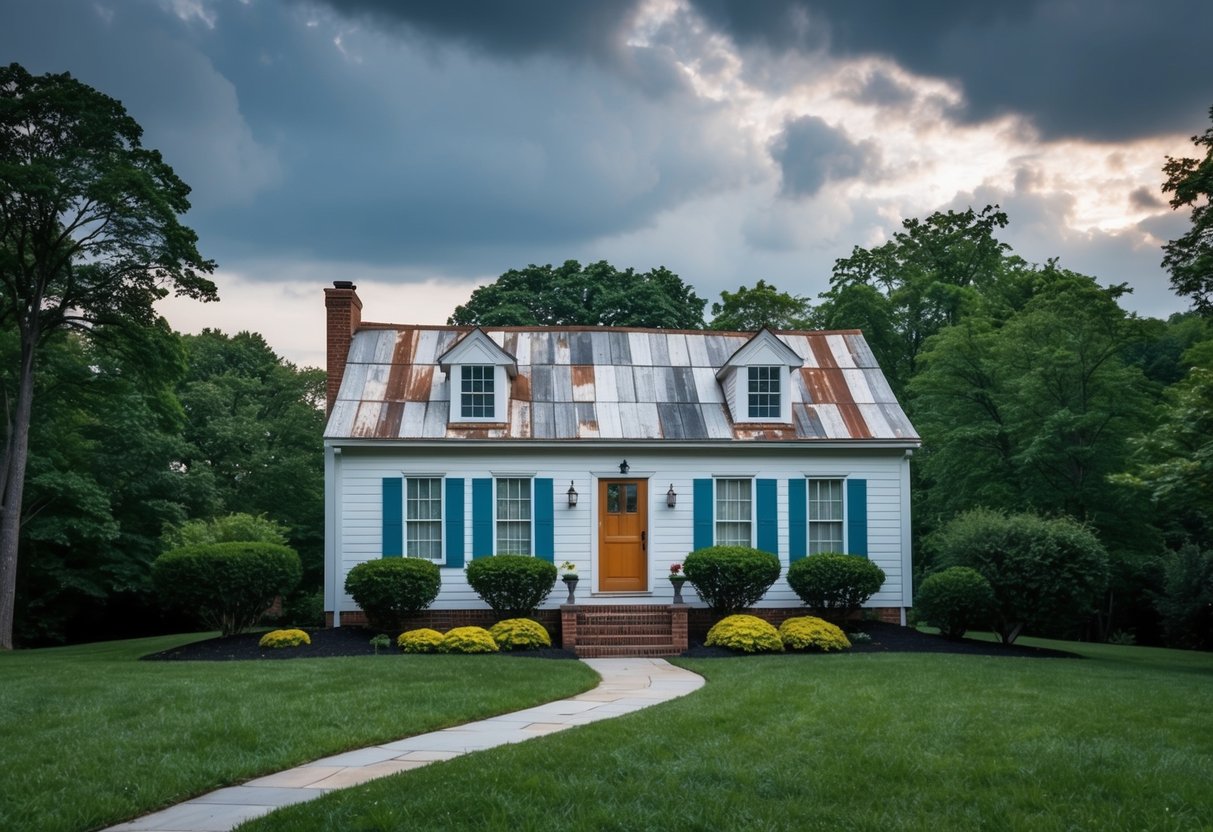
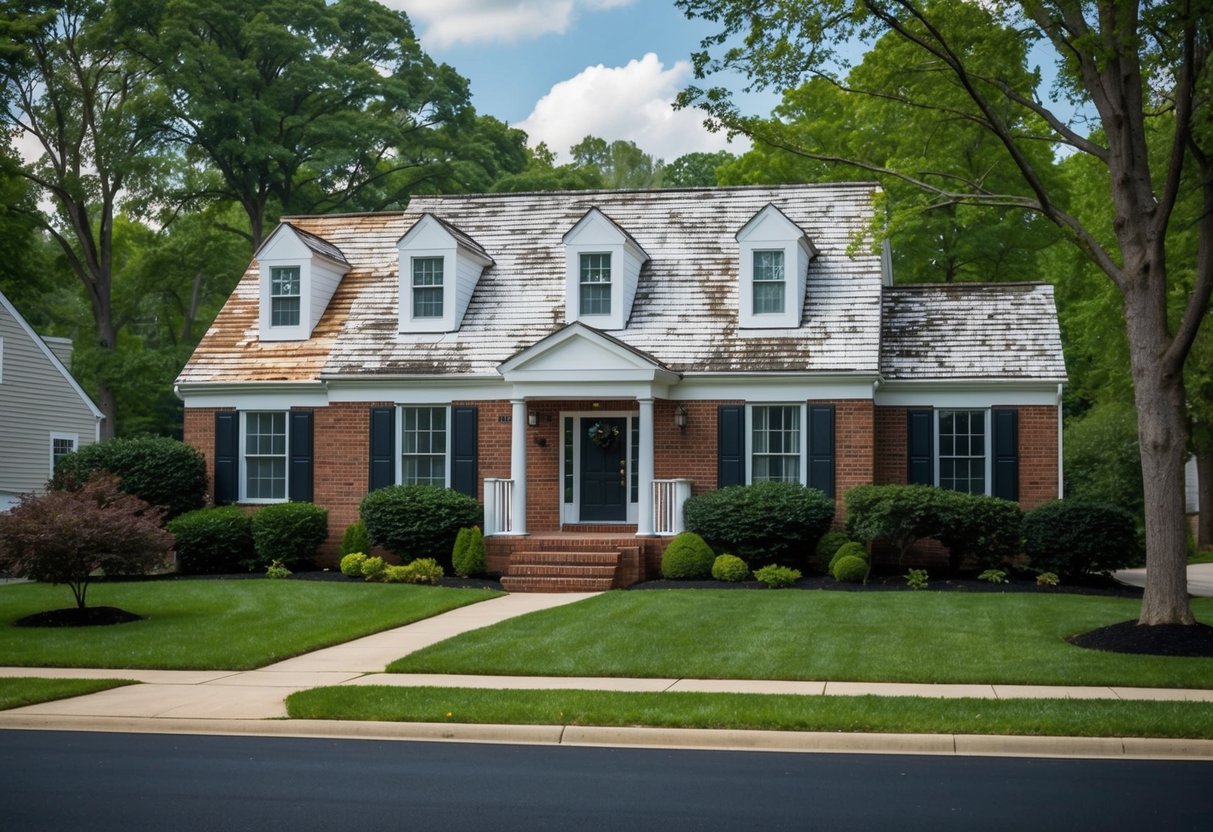
A suburban house in Maryland with a weathered roof and surrounding trees

Various factors can affect how often a roof needs replacing, including weather conditions, maintenance, and the quality of installation. Homeowners in Maryland should watch for signs of damage or wear to know when to start planning for a new roof. Understanding these basics can help avoid costly repairs and protect the home effectively.

Key Takeways

  • Roof replacement timing varies by material and Maryland’s climate.
  • Regular maintenance and inspections extend a roof’s life.
  • Recognizing damage early helps prevent bigger problems.

How Often Should You Replace Your Roof in Maryland?

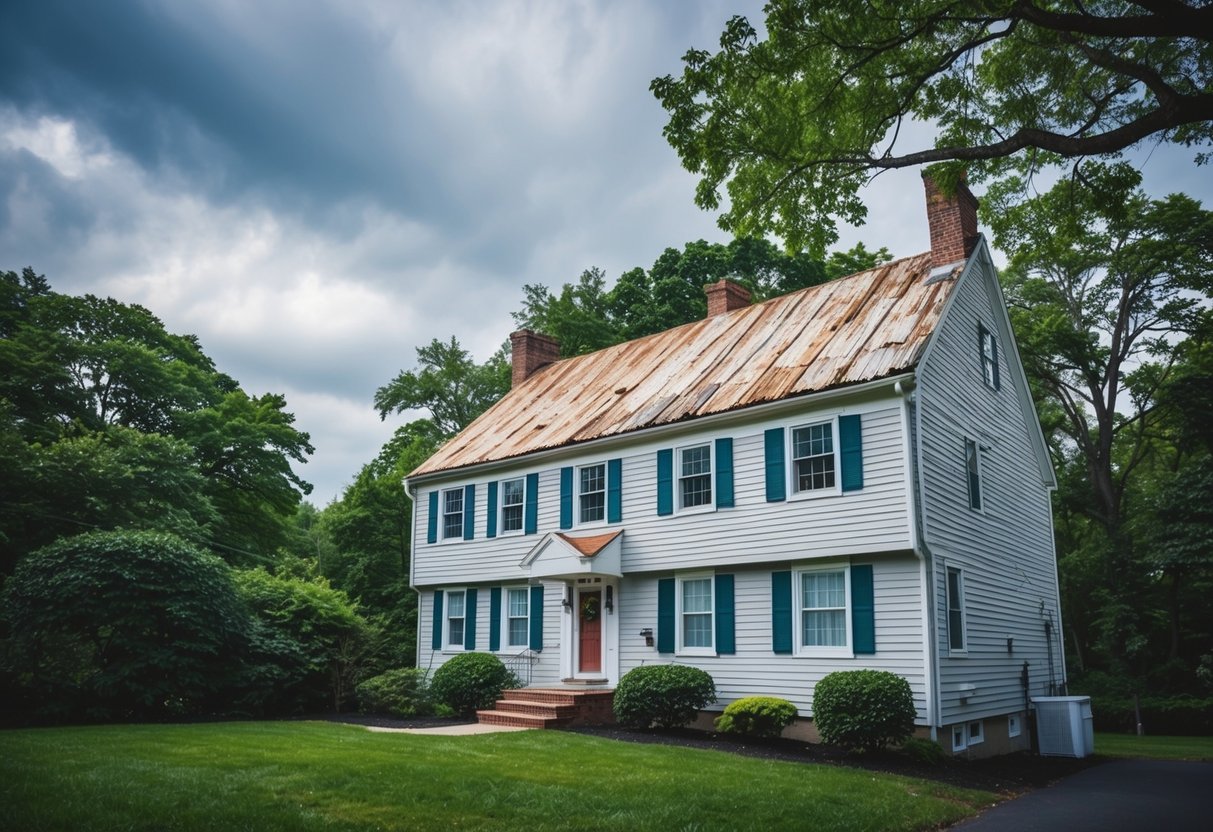
A suburban Maryland house with a weathered, aging roof, surrounded by trees and under a cloudy sky

Homeowners in Maryland should know that roof replacement depends on the roofing material, local weather, and maintenance. Different materials have specific lifespans and weather conditions can speed up wear and tear. Understanding these factors helps plan the right time for a roof replacement.

Average Lifespan of Different Roofing Materials

In Maryland, asphalt shingles typically last 20 to 25 years. Higher-quality shingles and proper installation can stretch this toward 30 years. Metal roofs have a longer life, usually lasting 40 to 70 years. Tile roofs are durable and can last 50 to 100 years. Wood shingles often need replacement in 20 to 30 years.

Choosing the right material is important for a homeowner’s budget and expectations. Each type will show wear differently, so knowing the typical lifespan helps avoid unexpected repairs.

Regional Factors Affecting Roof Longevity

Maryland’s weather affects how long a roof lasts. The state faces hot summers, cold winters, humidity, and storms. These conditions can cause damage like cracking, warping, and mold growth. Roofs in areas with heavy storms or salty air require more frequent checks.

Maintenance also plays a key role. Cleaning gutters, fixing leaks early, and removing debris extend a roof’s life. Homeowners who ignore these tasks may need to replace their roof sooner.

Typical Timelines for Roof Replacement

Most Maryland homeowners replace asphalt shingle roofs between 20 and 25 years. Metal roofs often get replaced after 50 to 60 years. Tile and wood roofs vary more but usually fall within 20 to 100 years based on material and care.

Regular roof inspections can alert homeowners to problems early. A professional roofing contractor can provide tailored advice on timing for replacement, ensuring safety and value for money.

Signs It’s Time to Replace Your Roof

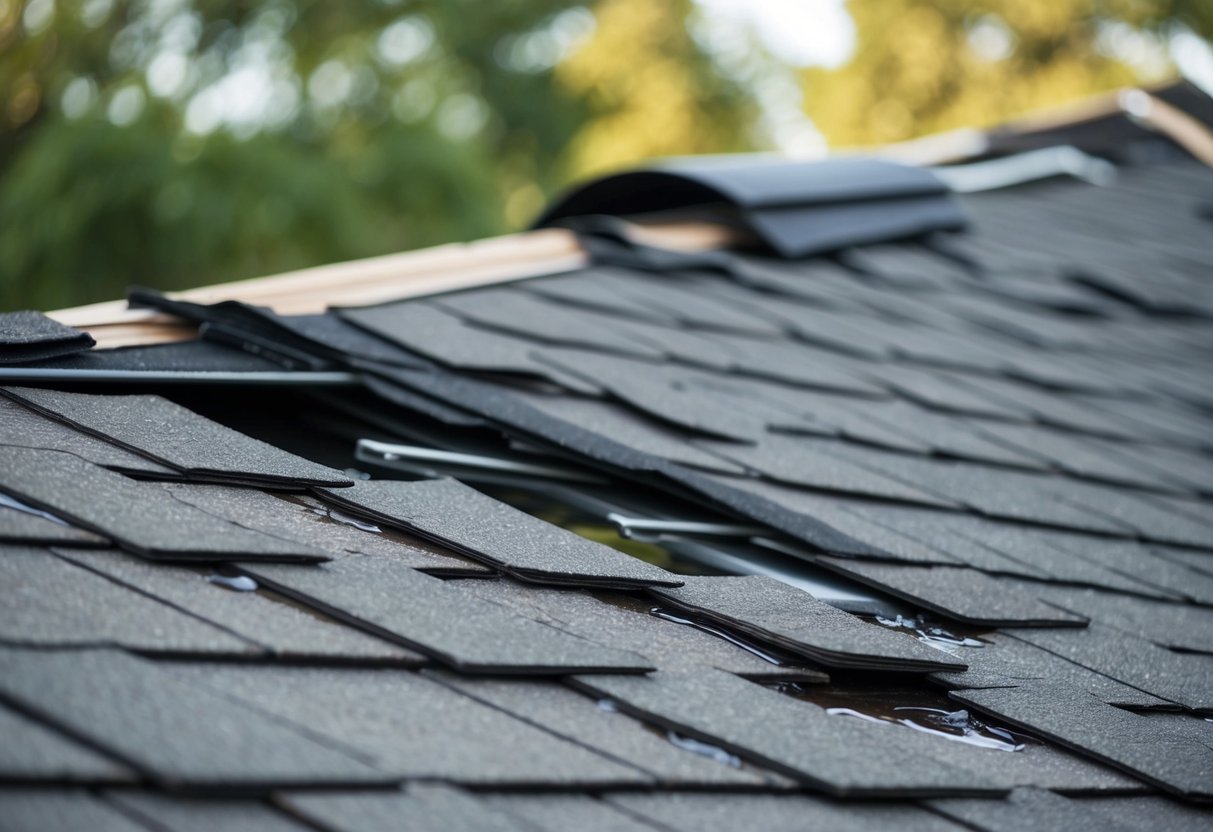
A roof with missing shingles and visible water damage

A roof needs replacement when key problems start affecting its function or appearance. These include visible damage to shingles, ongoing repairs, and signs of water damage inside the home. Recognizing these signs early helps prevent bigger issues later.

Identifying Missing or Damaged Shingles

Missing or damaged shingles are one of the clearest signs a roof needs replacing. Shingles that are cracked, curled, or broken reduce the roof’s ability to protect the home from weather. Missing shingles leave gaps where water and debris can enter.

If many shingles are damaged, a simple repair won’t be enough. Loss of granules on shingles also indicates aging, since it reduces their durability. Homeowners should carefully check the roof surface after storms or strong winds.

Regularly spotting these issues shows the roof is failing and should be replaced to avoid leaks and structural damage.

Frequent Roof Repairs

Frequent roof repairs often mean the roof is past its prime. When problems keep happening, patching up the roof wastes money and time without solving the root cause. A roof that needs multiple fixes in a short period likely has serious wear.

Repeatedly fixing leaks, replacing shingles, or addressing rot signals the roofing material’s life expectancy is ending. Instead of temporary solutions, replacement ensures long-term protection against weather and water damage.

Tracking repair history can help decide when replacement is necessary. A roof older than 20 years with many repairs usually needs full replacement.

Water Leaks and Interior Damage

Water leaks inside the home are a strong sign of roof failure. Leaks can cause stains on ceilings or walls, warped wood, and even mold growth. These problems affect the home’s structure and air quality.

Daylight seen through roof boards in the attic means holes or gaps exist, letting water and air in. If leaks occur repeatedly, the roofing system is compromised and must be replaced for safety.

Ignoring water damage leads to costly repairs inside the home. Prompt roof replacement stops further harm and protects the interior.

Factors Influencing Roof Replacement Frequency

A house in Maryland with a weathered roof surrounded by trees and a cloudy sky

Several key elements affect how often a roof needs replacement in Maryland. These mainly involve the type of materials used, the quality of installation, and the region’s specific weather conditions.

Impact of Roofing Materials and Labor Quality

The choice of materials directly affects roof lifespan. Asphalt shingles, common in Maryland, typically last 15 to 30 years. Higher-quality shingles and premium materials extend this range closer to 30 years. Tile and wood shingles have different lifespans but also require careful attention.

Labor quality plays an equally important role. Proper installation by experienced roofing contractors prevents early failures such as leaks or shingle damage. Poor workmanship can reduce a roof’s life by several years. Regular maintenance also supports material durability.

Maryland homeowners should prioritize both high-grade materials and skilled labor to get maximum value and lifespan from their roofs.

Effect of Weather Conditions in Maryland

Maryland’s climate directly impacts roof longevity. The state faces hot summers, cold winters, humidity, and occasional severe weather like storms and snow. These conditions can cause wear and tear on roofing materials.

Repeated exposure to hail, wind, and moisture can speed up roof aging. Asphalt shingles may crack or lose granules, reducing protection. Ice dams in winter can cause leaks and damage.

Roofs in Maryland need assessments after major weather events. Proper roofing materials suited for the local climate help resist these conditions better. Weather resistance is key when selecting both material and roofers familiar with Maryland’s environment.

The Role of Homeowners Insurance in Roof Replacement

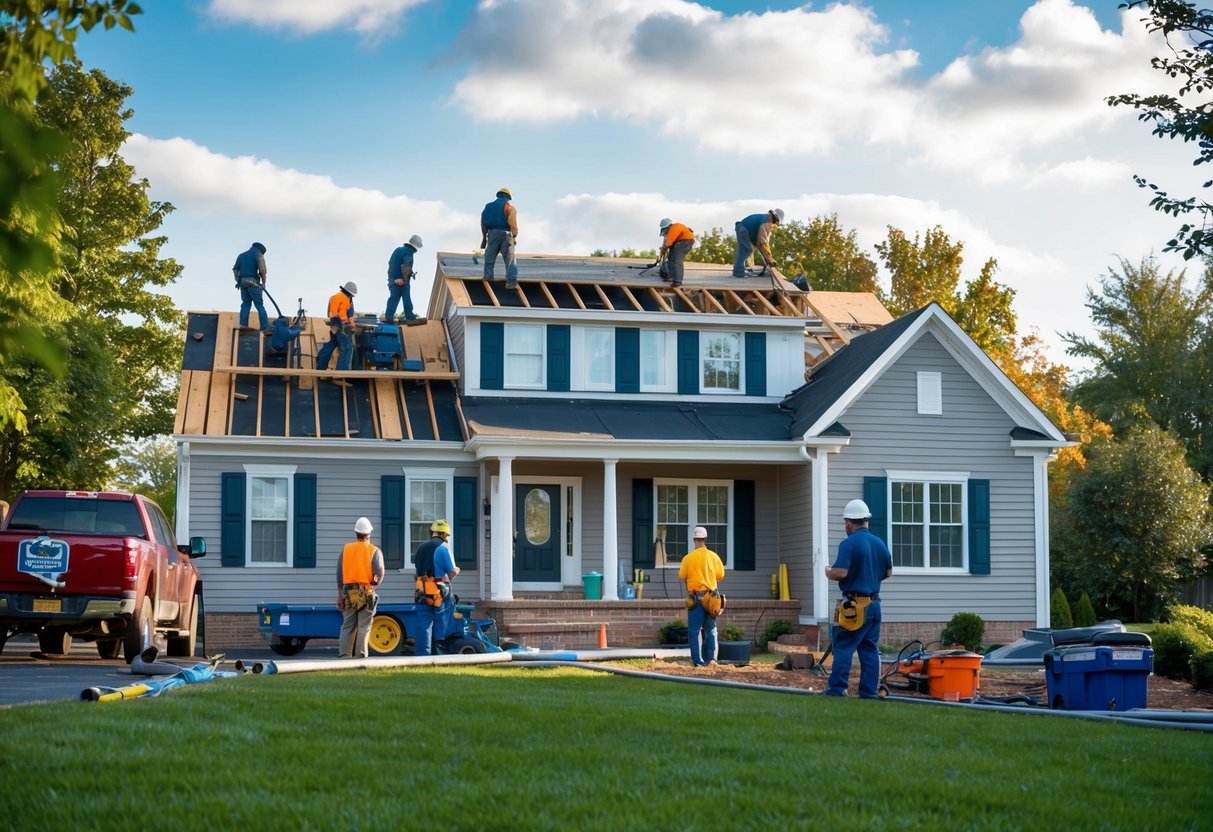
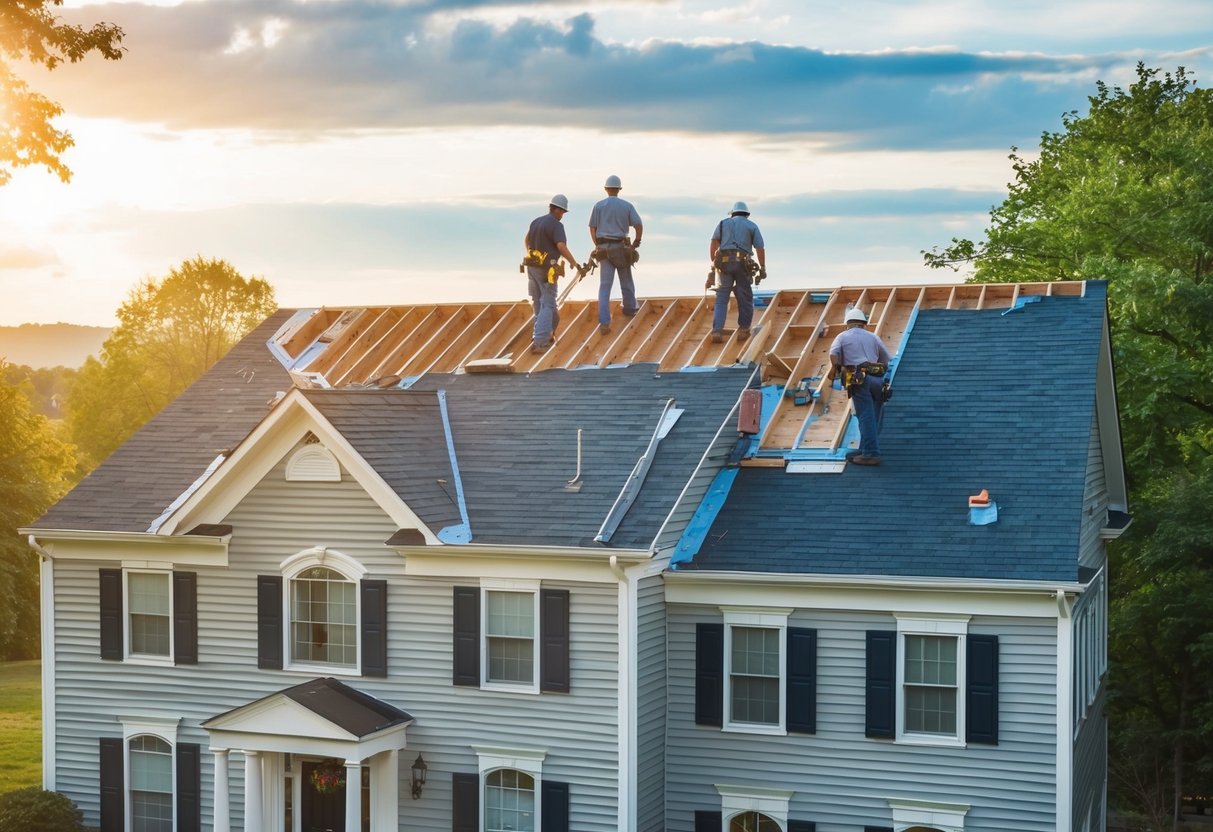
A house in Maryland with a new roof being installed, surrounded by workers and equipment, while an insurance agent discusses coverage with the homeowner

Homeowners insurance can help pay for roof replacement, but coverage depends on the cause of damage and the roof’s age. Knowing what is covered and how to file a claim is key for Maryland homeowners managing roof repairs or replacements.

What Insurance Typically Covers

Homeowners insurance usually covers roof damage caused by storms, fire, or falling objects. It does not cover damage from normal wear and tear or a roof that is too old.

Most policies consider the roof’s age—for example, roofs older than 20 years may not be fully covered. Asphalt shingle roofs often have a typical lifespan around 20 years, so insurance may reduce payments based on depreciation.

Insurance may pay for the full replacement if the damage comes from a covered event. The policy may cover the cost of materials and labor but not routine maintenance or issues caused by neglect.

Filing a Claim for Roof Replacement

When a homeowner files a claim, they must provide proof the damage is from a covered cause. Documentation like photos, repair estimates, and inspection reports helps support the claim.

The insurance company will send an adjuster to inspect the roof. They assess the damage and estimate repair or replacement costs.

Homeowners should keep receipts and records of all repairs. Promptly filing claims after damage occurs increases chances of approval.

If the roof is very old, the insurer may pay only for the roof’s current value, not a full replacement, due to depreciation rules.

Choosing the Right Roofing Contractor in Maryland

Selecting a reliable roofing contractor ensures proper roof replacement and long-term protection. Key factors include the contractor’s experience, license, insurance, and how they present estimates and contracts.

Qualities of a Reputable Roofing Contractor

A reputable roofing contractor in Maryland should have valid licensing and insurance. This protects the homeowner from liability and ensures the contractor meets state requirements.

Experience with local roofing materials and weather conditions matters. Contractors familiar with Maryland’s climate can suggest the best shingles or products suited for the area.

Good communication is important. A trustworthy contractor answers questions clearly, provides references, and respects schedules. Checking online reviews and asking for past work examples help verify reputation.

Understanding Estimates and Contracts

Estimates should be detailed, listing all work, materials, labor, and permits needed. Homeowners should compare at least three bids to understand price ranges.

Contracts must specify timelines, payment schedules, and warranty details. Avoid vague terms like “up to” or “approximately.” Clear contracts protect the homeowner and set clear expectations.

If changes arise during the job, the contract should cover how costs and schedules are adjusted. Homeowners should never pay the full amount upfront; a small deposit with progress payments is standard in Maryland roofing projects.

Frequently Asked Questions

Roofs in Maryland have different lifespans depending on materials and weather exposure. Homeowners should watch for damage, understand how weather impacts their roof, and follow maintenance to get the most years from their roof.

What is the average lifespan of a residential roof in Maryland?

Asphalt shingle roofs usually last 20 to 30 years in Maryland. Metal roofs can last much longer, often 40 to 70 years. Wood shingles typically last 20 to 30 years.

How can weather conditions in Maryland affect roof durability?

Maryland’s mix of rain, snow, and sun can wear roofs down faster. Heavy storms and fluctuating temperatures cause damage like cracking and leaks. Humidity can also lead to mold or rot on wood roofs.

What are the signs that indicate a roof needs to be replaced?

Missing or curling shingles, leaks inside the home, and visible water stains are clear signs. Granules from shingles in gutters or sagging roof areas also suggest replacement is needed.

Are there different replacement schedules for different roofing materials?

Yes. Asphalt shingles need replacement after 20 to 30 years. Metal roofs last 40 to 70 years. Wood shingles often need replacement around 20 to 30 years. Tile roofs can last even longer but are less common.

What maintenance steps can extend the life of your roof in Maryland?

Regular cleaning of gutters and debris keeps water flowing off the roof. Inspecting and fixing small leaks early stops bigger problems. Trimming overhanging tree branches reduces damage from falling limbs.

How do environmental regulations in Maryland impact roof replacement?

Maryland may require certain materials that improve energy efficiency or reduce runoff. Some areas restrict use of materials that harm the environment. Homeowners should check local rules before replacing a roof.

Do You Need a Permit to Replace Your Roof in Maryland? Clear Guidelines and Requirements Explained

When replacing a roof in Maryland, many homeowners wonder if they need a permit. In most cases, a permit is required when doing major roofing work, such as a full roof replacement or significant structural changes. This rule applies to both Baltimore City and surrounding counties.

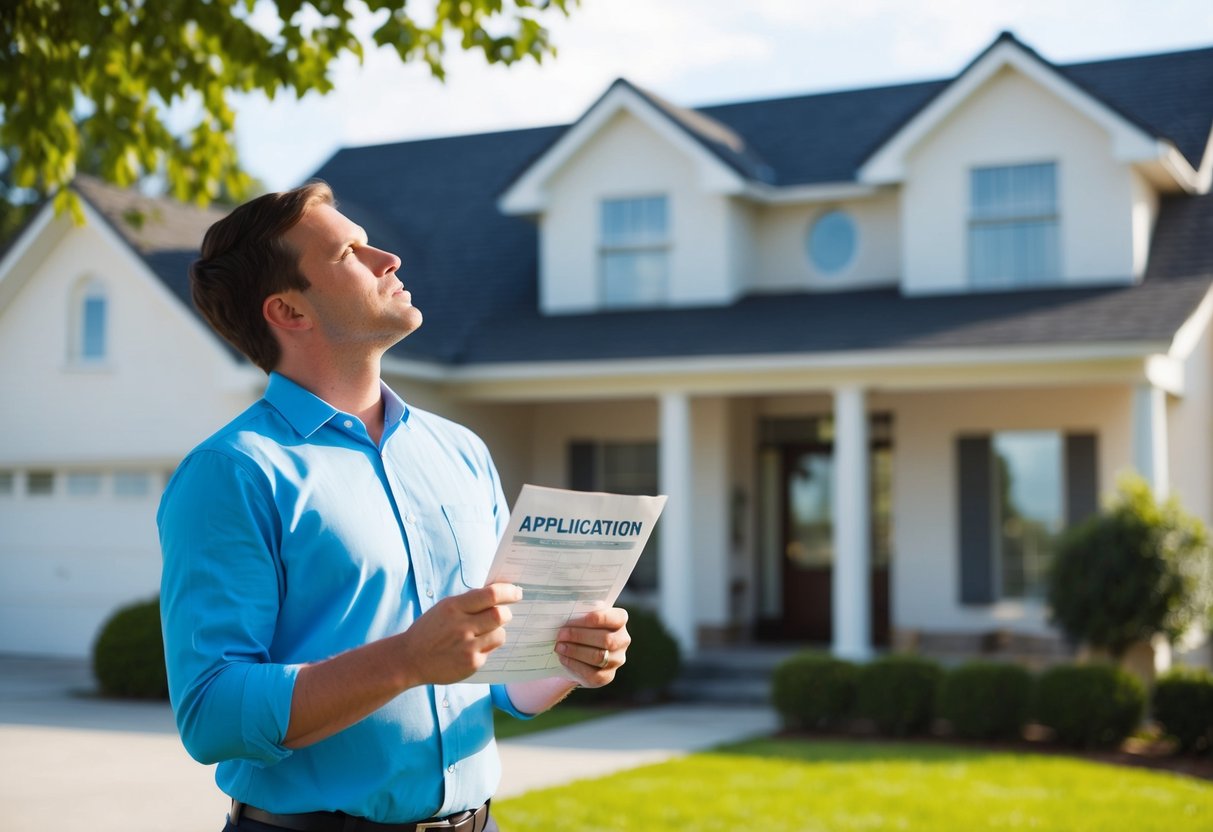
A person standing in front of a house, holding a permit application and looking up at the roof

For minor repairs or maintenance, a permit might not be necessary. However, if the project involves replacing half or more of the roof’s sheathing or making substantial changes, a permit from the local building department is typically needed. Hiring a licensed contractor can help ensure all permit requirements are met.

Understanding when a permit is required can save time and avoid potential fines. It also helps ensure the work is done safely and up to local building codes.

Key Takeways

  • Most full roof replacements in Maryland require a permit.
  • Minor repairs usually do not need a permit.
  • Licensed contractors help manage permit requirements.

Understanding Roofing Permits in Maryland

A homeowner in Maryland consults with a local building department official about obtaining a permit to replace their roof

Roofing permits are official approvals needed for certain roofing work. They ensure the project meets safety rules and local codes. Knowing when a permit is required helps avoid fines and ensures the job is done legally.

Definition and Purpose of Building Permits

A building permit is a legal document issued by local government before starting major construction. It shows the work follows safety, zoning, and building codes. For roofing, permits confirm that materials and methods meet standards to protect the home and neighborhood.

Permits help inspectors check the work during and after the project. This avoids unsafe construction and costly repairs later. Without a permit, insurance claims may be denied if damage occurs. Permits also maintain property values by ensuring quality work.

Types of Roofing Projects Requiring Permits

In Maryland, a permit is usually needed when a roof is fully replaced or when major work affects the roof’s structure. This includes roofing repairs where 50% or more of the sheathing is replaced.

Minor repairs like fixing small leaks or replacing a few shingles usually do not need a permit. However, if the work involves significant changes or complete replacement of the roof, a permit is required by most counties, including Baltimore City and Baltimore County.

Homeowners should check with their local building department to confirm if their specific roofing project needs a permit.

Maryland Roofing Permit Requirements

A homeowner in Maryland stands outside their house, pointing to their roof while talking to a building inspector. The inspector holds a clipboard and gestures towards the roof

In Maryland, replacing a roof usually requires a permit. The rules can change depending on the county. Knowing where and how to get the permit helps avoid fines and ensures the work follows local building codes.

Specific Permit Rules by County

Counties in Maryland have their own rules about roofing permits. For example, Baltimore County requires a permit if the roofing work covers 50% or more of the roof’s sheathing or if it involves commercial buildings. Baltimore City and its surrounding counties often require a permit for a complete roof replacement or major structural changes.

Prince George’s County also mandates permits for roof replacements and inspections after. These rules reflect building code standards meant to keep homes safe and up to date. Homeowners should check with their local Department of Permits and Inspections for exact requirements.

How to Obtain a Roofing Permit

To get a roofing permit in Maryland, the homeowner or contractor must apply through their local building department. The application often requires details about the project and proof that the contractor is licensed.

The permit must include the contractor’s license number, especially if the work is part of home improvement. Once the permit is issued, inspections may be scheduled before and after the work to ensure it meets code. Contractors typically handle this, but homeowners should confirm this process.

Role of Licensed Contractors and Inspectors

A licensed contractor and inspector review a roof replacement project in Maryland, ensuring compliance with permit regulations

Roof replacement in Maryland must follow strict rules to ensure safety and legal compliance. Licensed contractors handle permits and proper installation, while inspectors verify that the work meets local standards.

Importance of Hiring Licensed Contractors

Hiring a licensed contractor is crucial for roof replacement projects in Maryland. Licensed contractors are authorized to obtain the necessary permits and understand building codes. This helps prevent legal issues and costly delays.

A licensed contractor must follow state and local rules. They have proven their skills and knowledge through testing and certification. Using an unlicensed contractor risks poor workmanship, which can lead to safety hazards and future expenses.

Licensed contractors also carry insurance. This protects homeowners from liability if accidents happen during the project. Homeowners are advised to check the contractor’s license status with the Maryland Home Improvement Commission (MHIC) before hiring.

Inspection Process for Roof Replacement

Roof replacement projects in Maryland require inspections to ensure compliance with building codes. After the contractor completes the work, a city or county inspector reviews the job site.

The inspector checks materials, installation quality, and safety measures. They confirm the work matches the approved permit and local construction standards. If issues arise, the inspector can require fixes before final approval.

Inspections usually happen in phases, such as after removing the old roof and after installation. Passing inspection is necessary to avoid fines or having to redo the work. This process protects homeowners and maintains community safety.

Risks and Consequences of Not Having a Permit

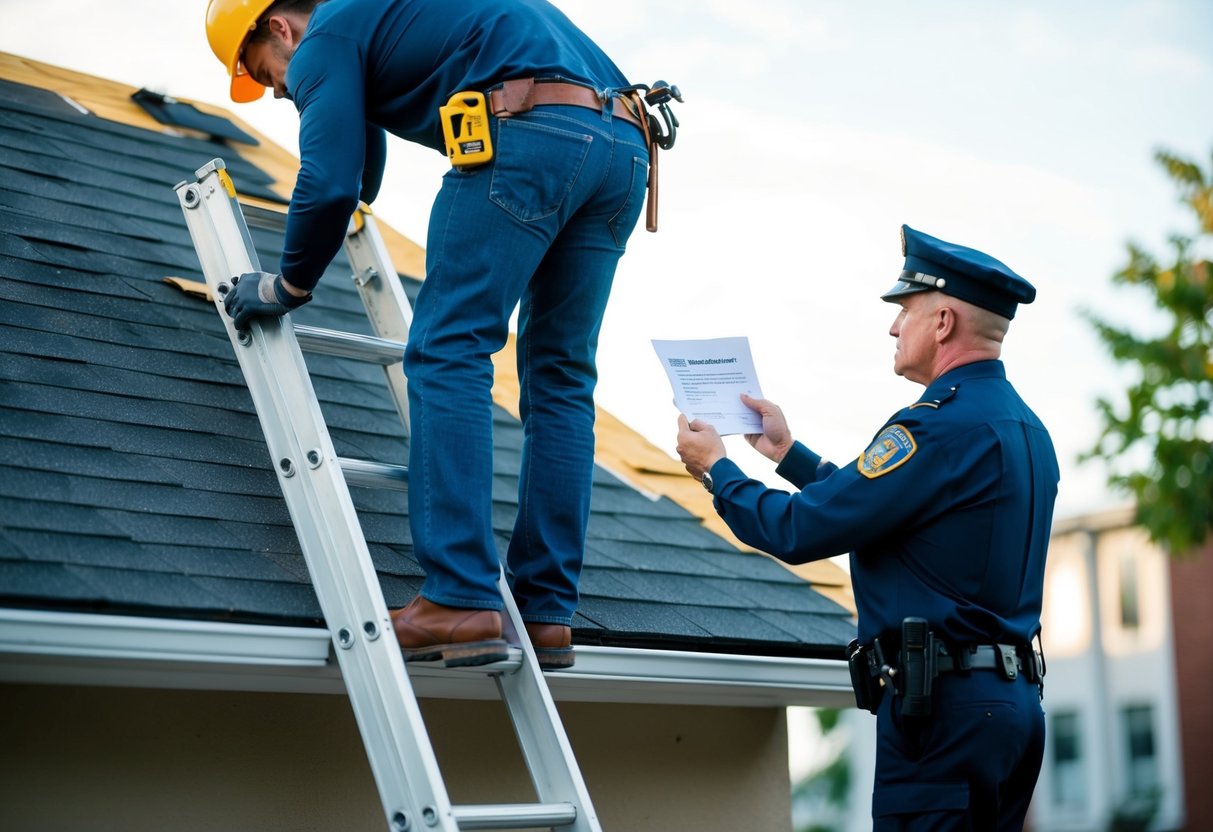
A person standing on a ladder, attempting to replace a roof without a permit. A city official is issuing a citation nearby

Replacing a roof without a permit can lead to several serious problems. These problems include legal trouble, extra costs, and issues with insurance or property value. It is important to understand these risks before starting any roofing work in Maryland.

Legal and Financial Repercussions

If someone replaces their roof without first getting a permit, they risk facing fines and penalties. Maryland authorities can issue a stop work order, which halts the project until the proper permit is obtained. The homeowner may also pay fines up to $1,000 or 50% of the usual permit fee.

In some cases, the homeowner might be required to fix or undo the work if it does not meet local building codes. This can lead to extra expenses and delays. Following permit rules shows compliance with laws and helps avoid these costly legal issues.

Impact on Insurance and Property Value

Not having a permit for roof replacement can cause problems with insurance claims. Some insurance companies may raise premiums or even cancel coverage if the work was done without proper permits. This puts the homeowner at financial risk if damage occurs later.

Additionally, an unpermitted roof can lower the property’s value. Buyers often ask for proof of permits before purchase, and lack of documentation may lead to a lower price or lost sale. Getting a permit is a good way to protect investment and maintain property worth over time.

Other Related Maryland Home Improvement Permits

Home improvement projects in Maryland may require various permits depending on the work involved. Knowing when a permit is necessary helps ensure the work meets local codes and avoids penalties.

Permit Needs for Painting and Exterior Projects

Painting alone usually does not need a permit in Maryland. However, if painting is part of a larger exterior project, such as siding replacement or structural changes, a permit may be required.

Projects that alter the building’s exterior, like adding new siding or changing window sizes, often need permits. Simple repairs or cosmetic updates generally do not require one. Homeowners should check with their local Department of Permits and Inspections to confirm if a permit is needed for their specific project.

Licensed contractors performing home improvement work must have their permits display their license number. This ensures work complies with Maryland regulations.

Frequently Asked Questions

A permit is usually needed when replacing the entire roof or making structural changes. Minor repairs often do not require a permit. The process to get a permit involves specific steps and rules.

What are the regulations for obtaining a permit for roofing in Maryland?

Maryland requires a permit for full roof replacements and any work that changes the roof structure. Contractors or homeowners must apply through the local building department. Inspections are part of the permit process.

Is re-roofing considered a substantial change requiring a permit in Maryland?

Simple re-roofing that only covers existing shingles usually does not need a permit. If the project involves removing and replacing the entire roofing system, a permit is required. Structural changes, like adding skylights, always require permits.

What are the consequences of roofing without a permit in Maryland?

Doing roofing work without a permit can lead to fines or stop-work orders. It may also cause issues when selling the home. Unpermitted work might need to be corrected or removed.

How can homeowners apply for a building permit for roofing in Maryland?

Homeowners can apply for permits at their county’s building or housing department. They must submit details about the project and wait for approval before starting. Contractors often handle this step.

What types of home renovations in Maryland require a permit?

Permits are required for structural changes, full roof replacements, additions, and major remodeling. Minor repairs usually do not require permits. Electrical, plumbing, and HVAC work also typically need permits.

Are homeowners required to obtain permits for minor exterior work like deck stair replacement in Maryland?

Minor repairs like replacing deck stairs may not need permits unless they affect structure or safety. Larger deck projects often require permits. It depends on local rules and the project scope.

How Much Does It Cost to Replace a Roof in Maryland? A Clear Breakdown of Prices and Factors

Replacing a roof in Maryland can cost anywhere between $5,000 and $30,000 or more. The price depends on many factors like the size of the roof, the materials used, and the complexity of the job. Most homeowners can expect to pay around $21,000 for a typical 3,000-square-foot roof replacement.

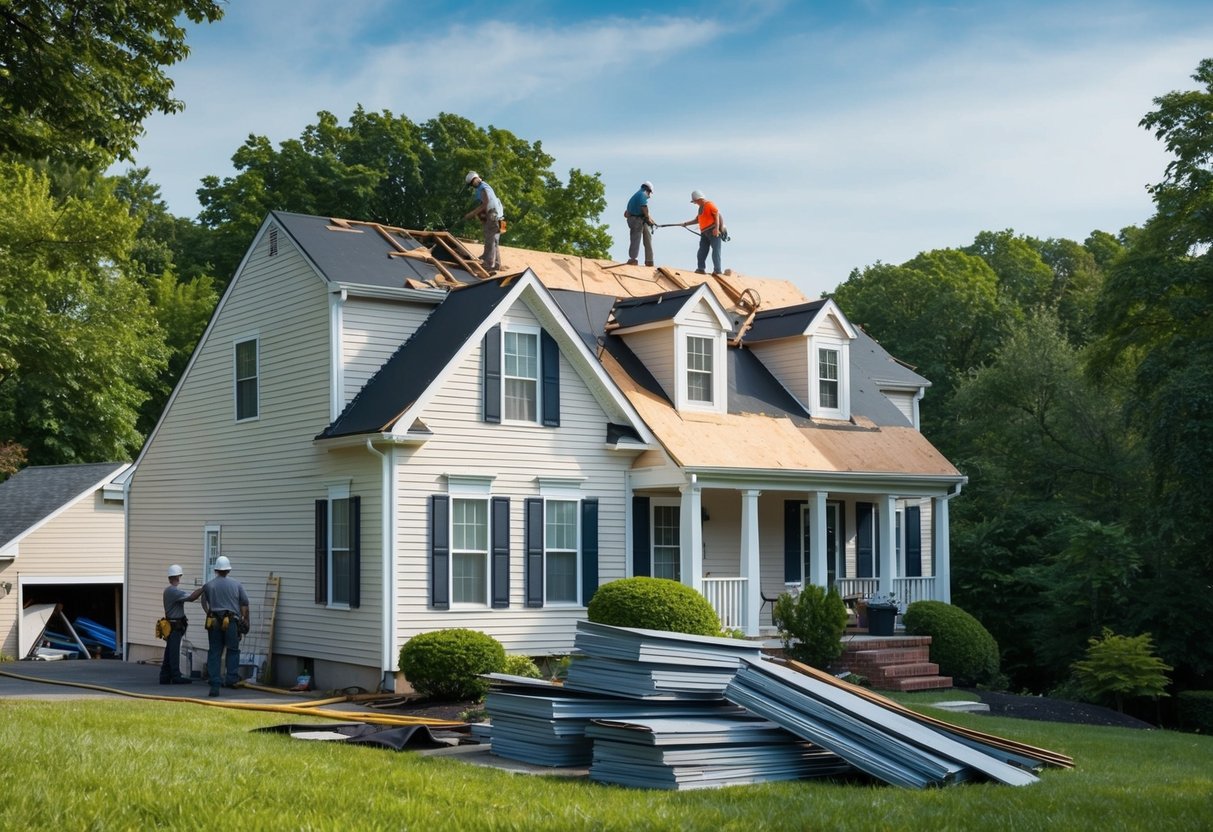
A house in Maryland with a damaged roof being replaced by workers and a pile of roofing materials nearby

Roof size and the type of shingles are important in setting the total cost. Other factors like roof pitch, additional repairs, and contractor choice also affect the final price. Knowing what influences these costs helps to budget better and avoid surprises.

Understanding the average prices and key factors in Maryland makes it easier to make informed decisions about your roof replacement. This guide will explain what to expect, so readers can plan wisely for this major home improvement.

Key Takeaways

  • Roof replacement costs vary widely based on size and materials.
  • Extra work and roof shape impact the total price.
  • Choosing the right contractor helps ensure a smooth process.

Average Roof Replacement Costs in Maryland

A house with a sloped roof being replaced by workers in Maryland

Roof replacement costs in Maryland vary widely depending on roof size, materials, and complexity. Homeowners can expect different price ranges based on these factors, as well as the cost per square foot and specific pricing elements that affect the final estimate.

Price Ranges by Roof Size

The size of the roof is one of the biggest factors in determining the overall roof replacement cost. For a typical Maryland home with a 3,000-square-foot roof, the new roof cost usually falls between $15,000 and $45,000.

Smaller roofs cost less but may have higher price per square foot due to fixed labor and disposal fees. Larger roofs tend to be more expensive overall but sometimes benefit from better pricing per square foot.

Roof shape and pitch also affect the price. Complex roofs with cross-gables or steep slopes often increase labor costs. The more complex the roof, the higher the roofing estimates generally are.

Cost Per Square Foot

The average cost per square foot for a roof replacement in Maryland generally ranges from $2.50 to $20. This wide range depends on the type of roofing material, roof complexity, and removal of old roofing.

Mid-grade architectural shingles, which are common in Maryland, often cost around $7 to $10 per square foot installed. Premium materials such as metal or tile raise the price closer to the upper end.

Contractors include labor, materials, and disposal in their estimates. Homeowners looking for a precise roof estimate should request detailed bids that explain costs per square foot for materials and work.

Common Pricing Factors

Several elements influence the final roof replacement cost beyond size and materials. Roof height and pitch increase labor difficulty and safety requirements, which raises the price.

Additional features like skylights, vents, or chimneys require special attention and add to the total new roof cost. Removing old roofing can also add $1,000 to $3,000 depending on the number of layers.

Regional labor rates in Maryland, weather conditions, and timing of the project also affect roofing estimates. It is important to get multiple bids to compare prices and services before choosing a contractor.

Key Factors Affecting Roof Replacement Costs

A house in Maryland with a worn-out roof being replaced by workers with new roofing materials

Several elements influence how much it costs to replace a roof in Maryland. These include the type of roofing materials, the fees charged by roofing contractors, and the overall size and complexity of the roof installation. Each factor can change the final price by thousands of dollars.

Roofing Materials and Their Prices

The choice of roofing materials plays a large role in cost. Asphalt shingles, the most common option, are usually the cheapest. They cost between $100 and $150 per square (a 10×10 foot area). Metal roofing, clay tiles, and slate are more expensive. Metal can cost $300 to $700 per square, while clay and slate may cost over $1,000 per square.

Durability and lifespan also affect cost. Higher-priced materials often last longer and require less maintenance. Choosing premium materials usually increases the initial cost but might save money over time.

Labor and Roofing Contractor Fees

Labor costs include the work done by roofing contractors during installation. In Maryland, labor may account for 40% to 60% of the total roof replacement price. Experienced roofing companies tend to charge more because they provide better quality and warranty services.

Permits and inspections can add to labor fees. Complex roof designs require specialized skills, which can increase contractor charges. It is important to hire licensed and insured roofing contractors to ensure proper installation and avoid future problems.

Scope of Roofing Installation

The size and complexity of the roof directly impact the overall cost. Larger roofs use more materials and need more labor, increasing total expenses. Roofs with multiple angles, chimneys, skylights, or steep slopes take longer to install and cost more.

Removing an old roof adds to the project price. Homeowners should consider if the roofing company includes this service or charges separately. Additionally, the timing of the project can affect costs; prices might be higher during busy seasons when roofing companies have more demand.

Popular Roofing Materials for Maryland Homes

A Maryland home with a variety of roofing materials such as asphalt shingles, metal panels, and clay tiles

Maryland homeowners have multiple roofing options that vary in cost, durability, and style. Each material suits different budgets and house designs. Understanding the benefits and drawbacks helps make the best choice for a roof replacement.

Asphalt Shingles

Asphalt shingles are the most common roofing material in Maryland. They are affordable and easy to install. The price ranges from about $3.50 to $5.50 per square foot depending on the type.

There are two main types: 3-tab shingles and architectural shingles. Architectural shingles cost more but last longer and look better. They can add curb appeal and increase home value.

Asphalt shingles come in various colors and styles. They typically last 15 to 30 years. Homeowners on a budget often choose asphalt because it balances cost and durability.

Metal Roofing Options

Metal roofs are rising in popularity for Maryland homes. The most common styles are standing seam and corrugated metal panels.

Metal roofs cost more upfront, around $13,750 to $30,000 for a whole roof. However, they last 40 to 70 years and resist extreme weather well. They also reflect sunlight, which can lower cooling costs.

Standing seam metal roofs have raised seams, which improve durability and water resistance. Metal roofs require less maintenance than asphalt and hold up well against rain, snow, and wind.

Slate and Clay Tile Roofs

Slate and clay tiles are premium roofing choices. Slate is a natural stone that lasts over 100 years and offers a unique, elegant look. Clay tiles provide a classic style, common in warmer climates but less typical in Maryland.

Both materials are heavy and require strong roof framing. They cost more than asphalt or metal, sometimes double or more. However, they need very little maintenance over time.

Slate and clay roofs are fire-resistant and durable but can be costly to repair if damaged. They appeal to those wanting a long-lasting, traditional roof with distinct character.

Modern Alternatives: Solar Shingles & Architectural Shingles

Solar shingles combine roofing material and solar power. They look similar to architectural shingles but generate electricity. Costs are higher, often exceeding $30,000, but solar shingles can reduce energy bills.

Architectural shingles are thicker and layered, offering better protection than basic asphalt. They cost more upfront but improve a home’s design and lifespan of the roof.

These modern materials balance aesthetics, energy efficiency, and durability. They suit homeowners interested in upgrading to innovative roofing without sacrificing style or protection.

Additional Home Improvement Costs During Roof Replacement

Replacing a roof often involves upgrades or repairs to parts connected to the roof system. These can add to the total cost but help protect the home and improve its durability.

Gutters and Downspouts

Gutters and downspouts channel water away from a roof and foundation. When the roof is replaced, these may need repair or full replacement. Damaged gutters can cause water to pool on the roof edge or around the home’s foundation.

Replacing gutters costs about $5 to $15 per linear foot, depending on material and size. Aluminum gutters are common and affordable, while copper or steel options cost more. Downspouts should match gutters and may need replacing if bent or clogged.

Proper installation during roof work ensures water flows freely, preventing leaks and foundation damage. Ignoring gutters can lead to long-term problems that require costly repairs.

Siding and Chimneys

Siding near the roofline can get damaged when roofing crews work or if flashing is old. It may need repair or replacement to ensure the home stays weather-tight. Wood, vinyl, and fiber-cement siding all have different price points to consider.

Chimneys often require inspection during roof replacement. Flashing around a chimney may need resealing to stop leaks. If the chimney bricks or mortar are cracked, repairs are necessary to avoid water damage.

Homeowners should budget for fixing siding or chimney issues during a roof project. Addressing these components together reduces risk of leaks or drafts.

Skylights, Vents, and Pipe Collars

Skylights add natural light but can increase roof costs. They need proper flashing and sealing to prevent leaks. Replacing or installing new skylights during a roof job usually adds $1,000 to $3,000 per unit.

Roof vents regulate attic temperature. Old or broken vents may be replaced to improve airflow. Proper ventilation helps prevent ice dams and extends roof life.

Pipe collars seal pipes that go through the roof. These often wear out and cause leaks. Replacing worn collars during roof work is important.

Investing in these items ensures the roof system remains secure and functional.

Underlayment, Sealant, and Ice and Water Shield

Underlayment is a protective layer beneath shingles. It acts as a moisture barrier. Using high-quality underlayment costs more but improves durability.

Sealant is used around flashing, vents, and edges. It keeps water out of small gaps. Proper application is essential during replacement to avoid leaks.

Ice and water shield is a sticky membrane applied on roof edges and valleys. It prevents water from backing up under shingles during ice storms. It adds roughly $1 to $2 per square foot to roof costs but provides valuable protection against ice dam damage.

Including these materials in a roof replacement can prevent water damage and extend roof lifespan.

How to Choose the Right Roofing Contractor in Maryland

Finding a trustworthy roofing contractor is important for a successful roof replacement. Careful research, checking licenses and insurance, and comparing detailed roofing estimates help homeowners make the best choice.

Researching Local Roofing Companies

Start by looking for roofing companies with good reputations in Maryland. Check online reviews and ask neighbors or friends for recommendations. Local contractors often understand Maryland’s climate and building rules better.

Verify how long the roofing contractor has been in business. Experienced contractors are likely to provide better service and handle issues well. Also, ensure they specialize in the roofing materials you want.

Visit the company’s website or office if possible. A professional roofing company will have clear contact information and display certifications or awards that show their expertise.

Reviewing Permits and Insurance

Make sure the roofing contractors have proper licenses for Maryland. A license means the company meets state standards. Ask to see their insurance certificates to confirm they carry both workers’ compensation and liability insurance.

This protects homeowners if an accident happens during the job. Without insurance, the homeowner might be responsible for injuries or damages.

Also, check if they handle local permits. Responsible contractors will take care of securing necessary permits for roof replacement. This helps avoid fines or problems with city inspections.

Comparing Roofing Estimates

Request detailed roof estimates from at least three contractors. Each roof estimate should break down the cost of materials, labor, permits, and cleanup separately.

Compare the estimates carefully. The lowest price isn’t always the best choice if it leaves out important services or has cheaper materials.

Look for warranties on work and materials. Roofing contractors who offer clear written guarantees usually stand behind their work.

Homeowners should avoid paying large deposits before work begins. A fair payment schedule is part of a reliable roofing agreement.

Roof Repair and Maintenance After Replacement

Once a roof is replaced, it still needs regular care to avoid problems. Early signs of damage and routine fixes can help keep the roof strong. Protecting the roof from weather, especially wind, is important to prevent leaks and other issues.

Common Post-Replacement Issues

After roof replacement, some common problems can appear. These include loose shingles, minor leaks, and poor flashing installation. Loose shingles may flap or fall off during storms, exposing the roof deck to water. Leaks often start around vents, chimneys, or valleys if the sealant is not applied properly.

Flashing is a thin metal barrier that directs water away from joints. If the flashing is damaged or misplaced during replacement, it can cause water seepage. Homeowners should inspect these areas within the first year to catch issues early.

Preventing Wind Damage and Leaky Roofs

Wind can damage roofs by lifting shingles or breaking them off, leaving the roof vulnerable to leaks. Using wind-resistant materials and proper nailing techniques during installation reduces this risk. Roofs with steeper slopes often handle wind better.

Sealing all edges and using quality underlayment also help prevent leaks. After strong winds, it is important to check for missing shingles or loose parts quickly. Fixing small gaps or holes stops water from entering and causing bigger damage.

Routine Roof Repairs to Extend Lifespan

Regular maintenance keeps the roof working well for many years. Small repairs like replacing damaged shingles, tightening flashing, and clearing gutters prevent serious issues. Inspecting the roof twice a year and after storms is advised.

Repairs costing between $200 and $1,000 can avoid more expensive fixes later. Keeping the roof clean of debris and trimming nearby trees protects it from damage. Consistent care helps maintain the roof’s value and effectiveness over time.

Frequently Asked Questions

Roof replacement costs in Maryland depend on home size, roof type, materials, and labor. Prices can vary widely based on these factors and the complexity of the job.

What are the average costs for replacing a roof on a residential property in Maryland?

Most homeowners in Maryland spend between $15,000 and $45,000 for a full roof replacement. The average tends to be around $21,000 for a typical 3,000 square foot roof.

How do roof replacement costs vary by the size of the home in Maryland?

Larger homes require more materials and labor, so costs increase with size. Smaller homes typically have lower total costs but may have higher costs per square foot depending on roof complexity.

Is there a cost difference in roof replacement for different types of houses, such as townhouses versus detached homes in Maryland?

Yes. Detached homes often have more complicated roofs and may cost more to replace. Townhouses usually have simpler roofs and shared walls, which can lower expenses.

What factors contribute to the total cost of roof replacement in Maryland?

Key factors include roof size, pitch, height, material choice, labor rates, tear-off complexity, and any necessary repairs. Weather conditions and local permits may also affect costs.

Can you use a cost calculator to estimate the price of a new roof in Maryland?

Cost calculators can provide rough estimates based on square footage and material type. However, they may not include factors like structural repairs or roof complexity.

How does the choice of roofing materials affect the replacement cost in Maryland?

Material costs vary widely; asphalt shingles are usually the cheapest, while metal, slate, and tile are more expensive. Higher-end materials increase both material and labor costs.

Book an Appointment